Database Representation-Based Notional Machines

What is a representation-based notional machine?

Representation-based database notional machines map from a database context to a context that is not a familiar real-world analogy but rather an alternative representation. Such representations can take various forms, including diagrams, physical manipulatives, role-plays, and verbal explanations.

Some representations are handmade (e.g., a diagram drawn on a board) while others are machine-generated (e.g., a visualization produced by a tool).

We collected and organized the following 11 representation-based notional machines:
Databases Discipline:

Conceptual Advantage

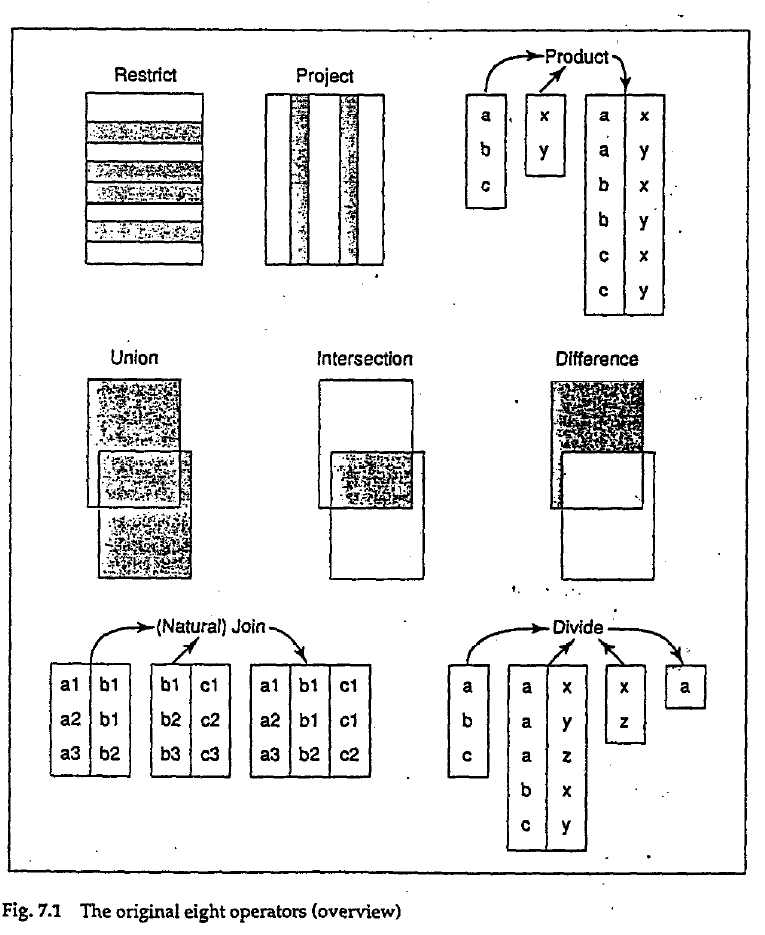
Visualizes the relational algebra operators, in particular visualizing what result they produce

Draws Attention To

results of the eight algebra operators
SymbolConcept
the table-looking rectangles the input relations
the shaded area the output
Collected by Xiaoying Tu
Databases Discipline:

Conceptual Advantage

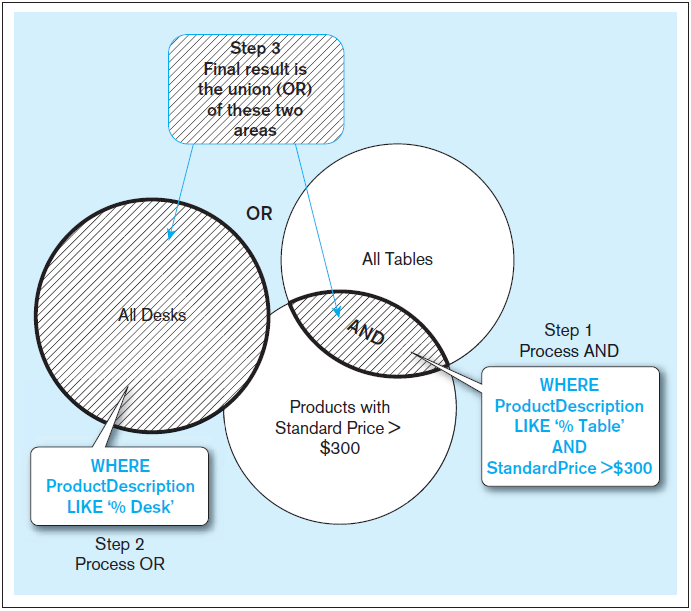
Visualizes the order in which the boolean operators are processed inside a WHERE clause

Draws Attention To

Multiple Boolean operators inside a WHERE clause
SymbolConcept
set tables
boxes processing steps
Collected by Laura Farinetti
JOIN as a diagram
Visual Representation
Databases Discipline:

Conceptual Advantage

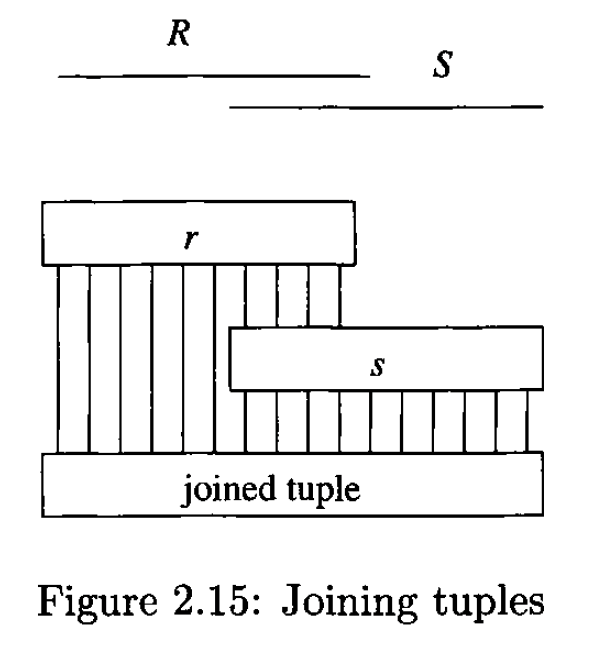
Visualizes how the JOIN looks at intersections in data

Draws Attention To

The construction of joined tuples (in terms of attributes)
SymbolConcept
boxes relations / tuples
vertical lines attributes
Collected by Daphne Miedema
Databases Discipline:

Conceptual Advantage

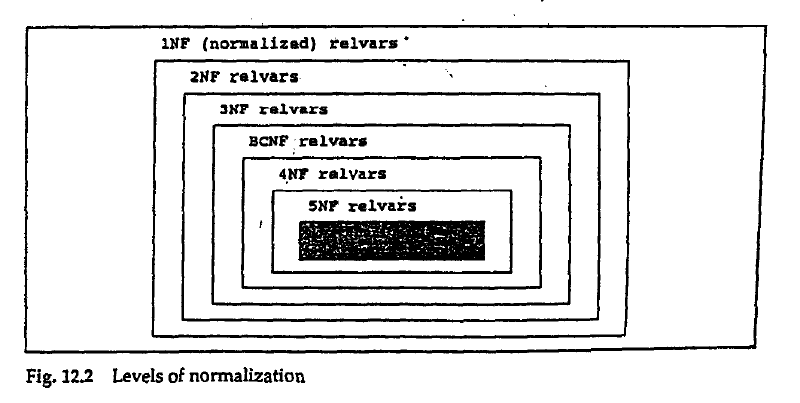
Highlights the fact that higher normal forms must also be in lower normal forms: e.g. if a relation is in 2NF, it must also be in 1NF.

Draws Attention To

The relationships among different normal forms
SymbolConcept
Rectangles normal forms
Collected by Xiaoying Tu
normalization
Visual Representation
Databases Discipline:

Conceptual Advantage

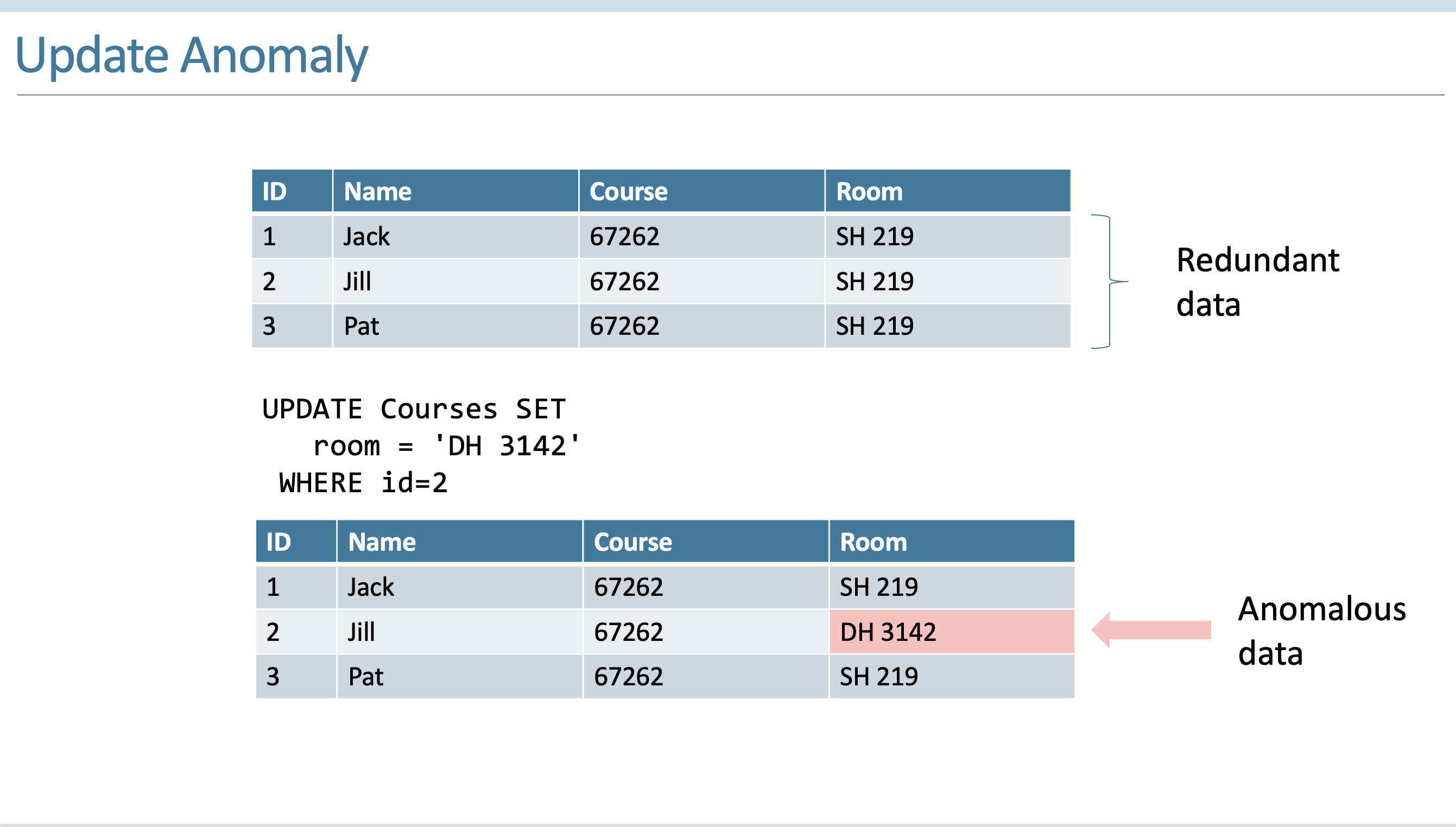
Intuitive approach to avoiding anomalies

Draws Attention To

How redundancy is eliminated by splitting
SymbolConcept
Collected by Raja Sooriamurthi
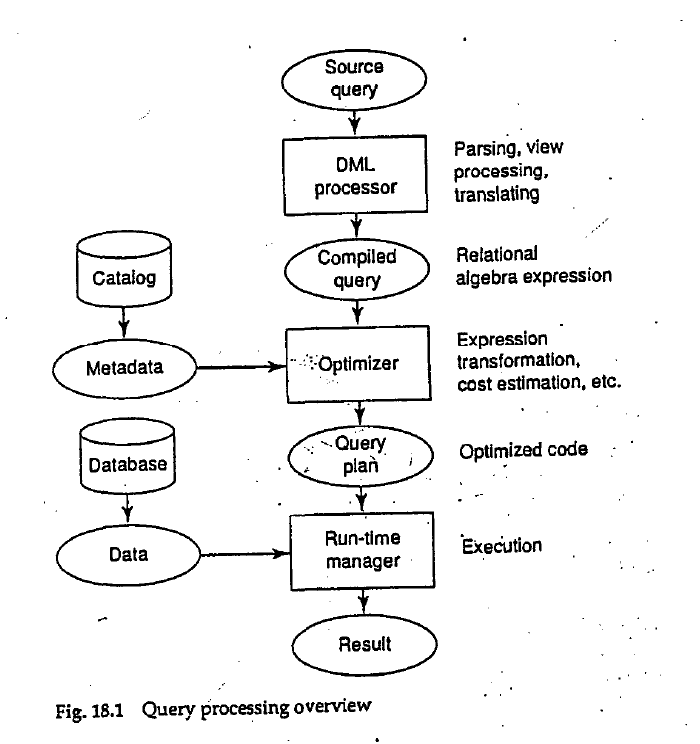
Query processing as a diagram
Visual Representation
Databases Discipline:

Conceptual Advantage

Visualizes the structure of query processing

Draws Attention To

The order of operations
SymbolConcept
Collected by Daphne Miedema
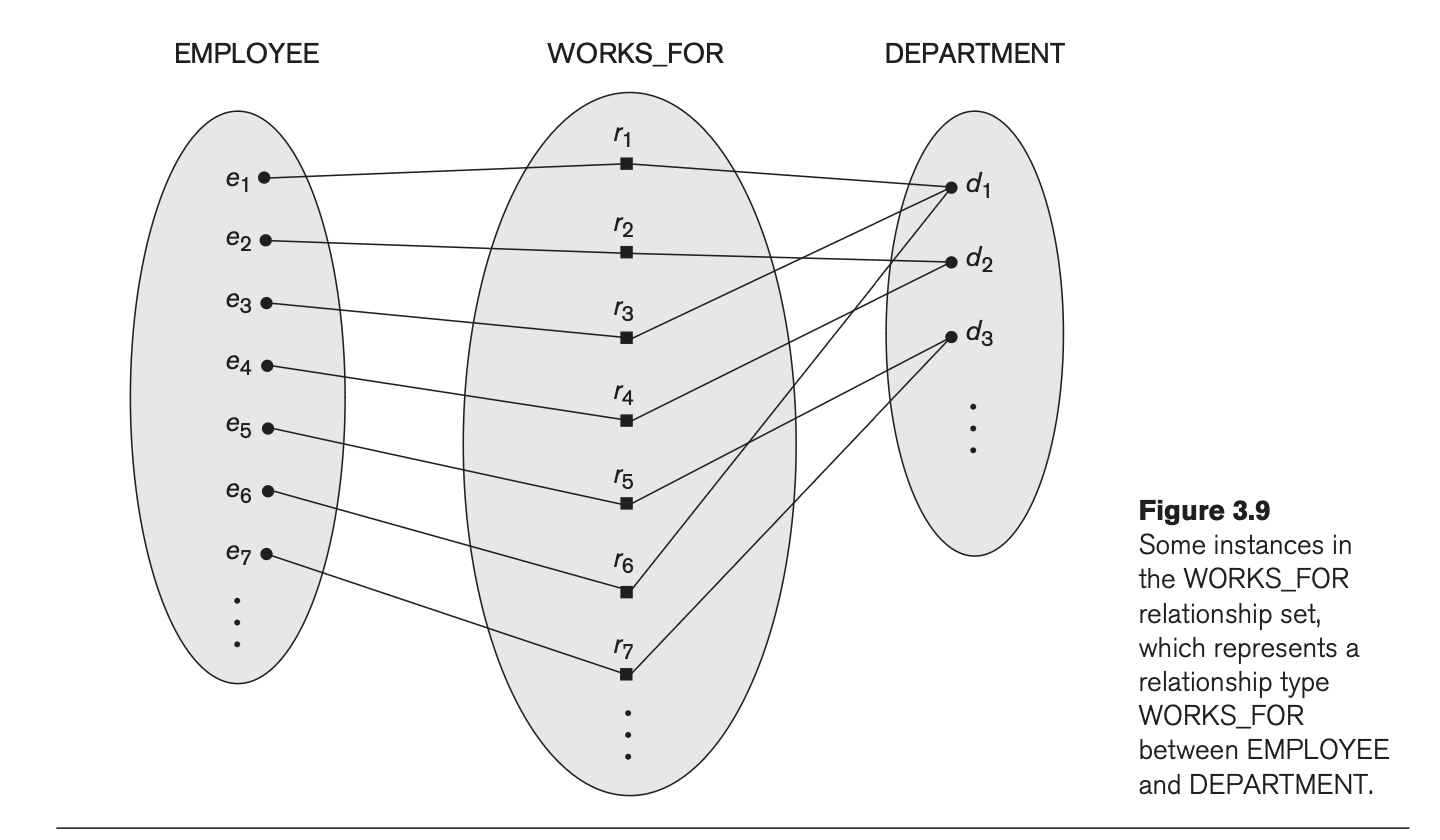
Relationships as sets
Visual Representation
Databases Discipline:

Conceptual Advantage

shows visually what is a relationship and that the instances of a relationship are connected to the instances of an entity

Draws Attention To

what an instance of a relationship is
SymbolConcept
relationship set
instance of a relationship set element
Collected by Laura Farinetti
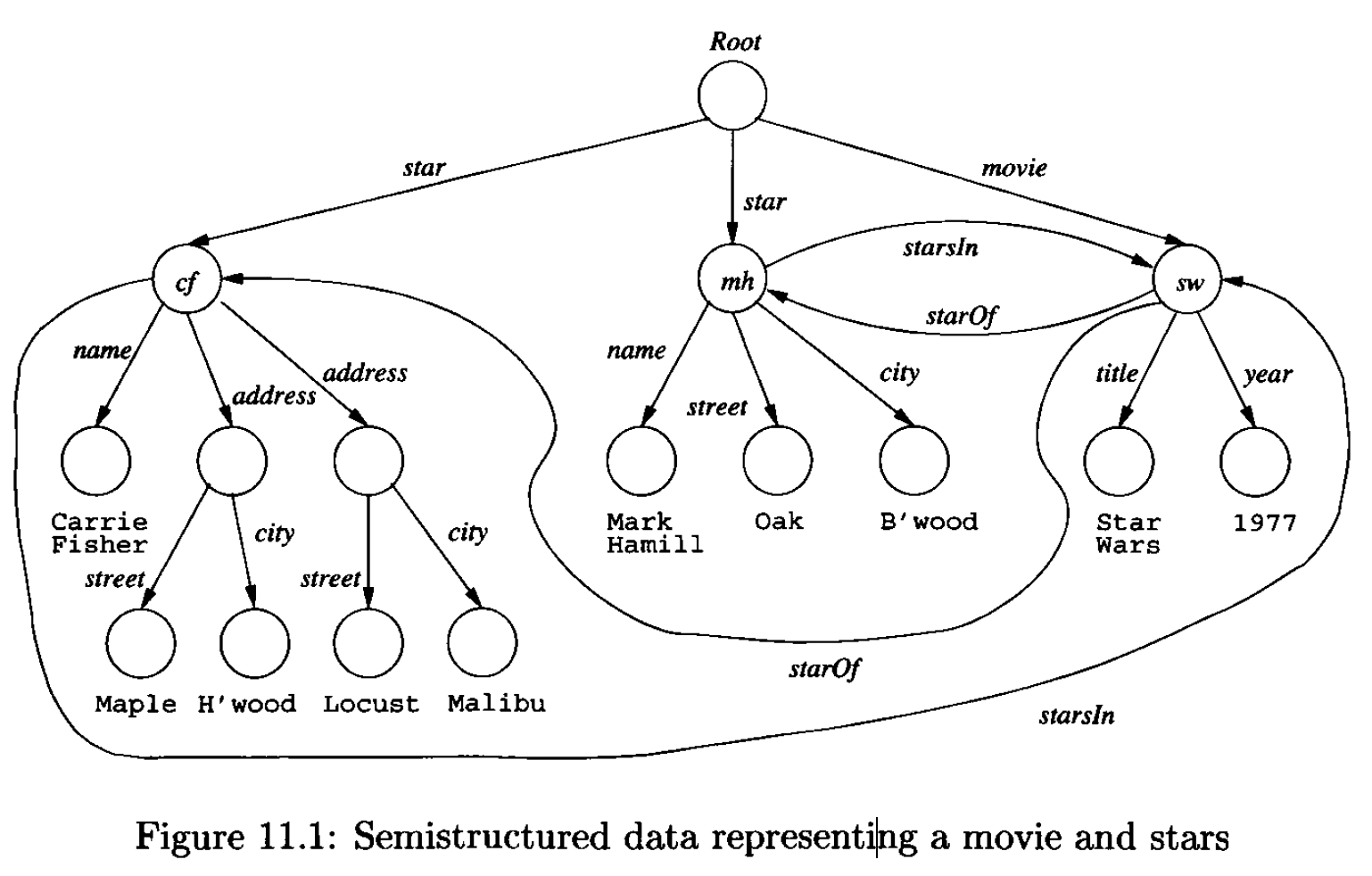
semistructured data as a graph
Visual Representation
Databases Discipline:

Conceptual Advantage

visual relationships

Draws Attention To

how each concept is related to all other concepts
SymbolConcept
Collected by Raja Sooriamurthi
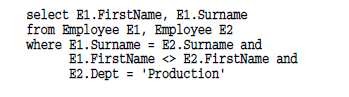
Databases Discipline:

Conceptual Advantage

visualizes that self-join requires the duplication of the same tables

Draws Attention To

How a self-join is processed in SQL
SymbolConcept
arrows join among rows
Collected by Laura Farinetti
Databases Discipline:

Conceptual Advantage

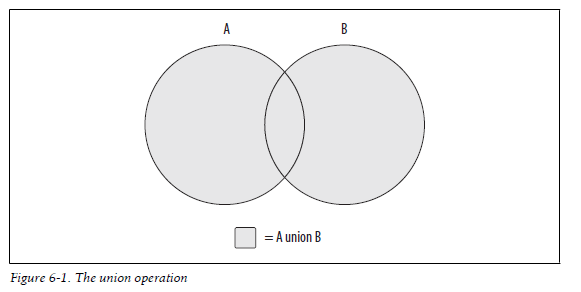
Visualize basic operations in set theory

Draws Attention To

The result of each basic set operation
SymbolConcept
circles sets
shaded area result of the operation
Collected by Xiaoying Tu
Databases Discipline:

Conceptual Advantage

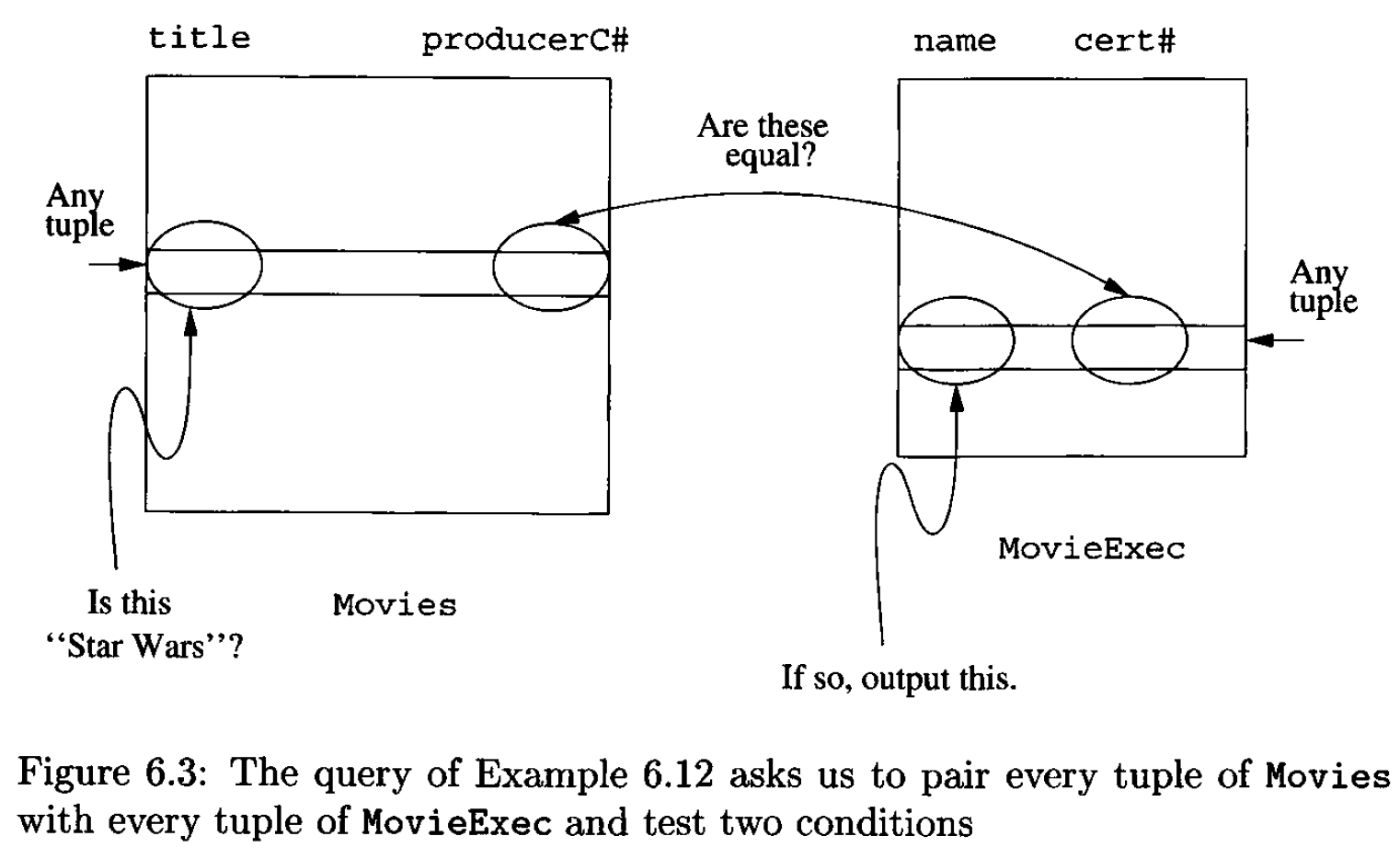
Visualizes the operations of a query involving joining two relations by an equality condition between two attributes in separate relations, which helps reader understand the logical process of such queries

Draws Attention To

The relevant components in both relations and the checking conditions involved, particularly the equi-join condition linking records in separate relations
SymbolConcept
rectangles tables / relations
horizontal stripes rows
circled portions within the stripes specific attribute values in those rows
double-sided arrow equi-join condition
Collected by Xiaoying Tu